
In today’s knowledge-driven world, being a skilled teacher is no longer enough on its own. Students, parents, institutions, and peers increasingly look to educators who demonstrate genuine expertise—teachers who are not just instructors but recognized authorities in their subject areas. Building that kind of subject-matter authority is one of the most powerful investments a teacher can make in their long-term career and classroom impact.
This guide explores proven, actionable strategies that help teachers transition from knowledgeable practitioners to recognized subject experts—both within their schools and in the wider educational and professional community.
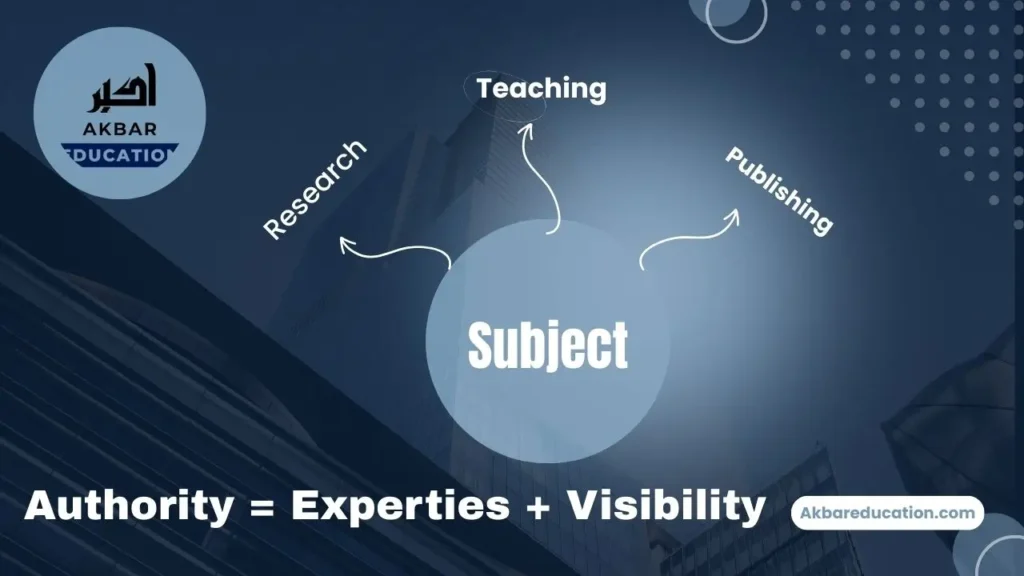
1. Why Subject Authority Matters for Teachers
Teacher authority is far more than a title or a credential on a resume. It is the trust that students place in your expertise, the credibility your colleagues extend to your opinions, and the influence you carry when advocating for curriculum change or professional best practices.
When teachers are recognized as subject experts, several powerful outcomes follow:
- Students pay closer attention and engage more deeply with the material
- Colleagues defer to your insights and invite your collaboration
- Administrators support your initiatives with greater confidence
- Parents trust your assessments and recommendations
- Career opportunities — such as curriculum design, mentorship, and leadership — open more readily
Research in educational psychology consistently shows that perceived teacher expertise is one of the strongest predictors of student motivation and academic performance. Authority, when earned authentically, creates a classroom culture of intellectual respect and curiosity.
2. Deepen Your Subject Matter Knowledge Continuously
The foundation of any genuine authority is deep, current knowledge. Teachers who rest on what they learned during their initial training quickly find themselves outpaced by developments in their field. Subject expertise requires an ongoing commitment to learning.
Read Beyond the Curriculum
Make it a habit to read academic journals, professional publications, and books that go well beyond what your course syllabus demands. A history teacher who reads recent historiography, a biology teacher who follows new discoveries in genetic research, or a literature teacher who engages with contemporary criticism — each signals to students and colleagues that their knowledge is alive and evolving.
Pursue Advanced Qualifications
Advanced degrees, postgraduate diplomas, or specialist certifications in your subject area send a strong signal of commitment. Even short, targeted courses — such as a summer institute or an online specialization from a leading university — demonstrate that you take your subject seriously beyond what teaching alone requires.
Stay Current with Field Developments
Subscribe to newsletters, follow researchers and institutions on academic platforms, and set up alerts for new publications in your field. Knowing what is happening at the frontier of your subject allows you to bring genuine freshness to your teaching and to speak with real authority about where the discipline is headed.
3. Share Your Knowledge Publicly and Consistently
Expertise that stays locked inside a classroom cannot build wider authority. One of the most effective ways teachers establish themselves as subject experts is by sharing their knowledge in public, accessible, and consistent ways.
Start a Blog or Subject-Specific Website
Writing regularly about your subject — whether offering analysis, explaining complex concepts, or discussing current issues in the field — builds a body of work that demonstrates your expertise over time. A well-maintained blog signals seriousness, helps you refine your own thinking, and makes your knowledge discoverable to a much wider audience than your school community alone.
Contribute to Professional and Academic Publications
Writing for teacher magazines, subject association journals, educational newspapers, or peer-reviewed publications positions you as a voice worth listening to. Even short opinion pieces or practitioner reports carry significant weight in establishing credibility among colleagues and institutions.
Use Social Media Strategically
Platforms such as LinkedIn, X (formerly Twitter), and subject-specific online communities offer teachers a way to share insights, comment on field developments, and connect with other experts. Consistent, substantive engagement on these platforms — rather than casual use — can significantly extend your professional reach and reputation.
Create Educational Content Online
YouTube channels, podcast episodes, online courses, and recorded lectures are increasingly accessible to produce and can reach global audiences. Teachers who create genuinely useful content in their subject area often find that their reputation grows far beyond what traditional professional routes alone would allow.
4. Engage with Professional Communities and Networks
Authority is never built in isolation. Recognized experts are, almost without exception, well connected to the communities that matter most in their field. For teachers, this means active engagement with professional networks both inside and outside education.
Join and Participate in Subject Associations
Most academic disciplines have dedicated teacher or practitioner associations — organizations for mathematics educators, English teachers, science teachers, historians, and so on. Joining these associations, attending their conferences, presenting at their events, and contributing to their working groups places you in direct contact with the community that defines standards and advances knowledge in your field.
Build Relationships with University Academics
Connections with researchers and academics at universities in your subject area can be enormously valuable. These relationships can lead to collaborative projects, invitations to contribute to research, access to cutting-edge resources, and a deepened understanding of where your subject is heading at an academic level.
Mentorship — Both Giving and Receiving
Mentoring early-career teachers in your subject area not only helps the profession but also consolidates and demonstrates your own expertise. At the same time, seeking mentors or advisors who are recognized leaders in your field accelerates your own development and connects you to their wider networks.
5. Develop a Distinctive Teaching Philosophy and Voice
Subject experts are not simply people who know a lot. They are thinkers who have developed their own considered perspectives on their discipline — how it should be taught, what matters most within it, and how it connects to the wider world. Developing and articulating your own educational philosophy is a key component of building authority.
Articulate What You Stand For
What do you believe about how your subject should be taught? What are the most important ideas, methods, or debates within it? Having clear, well-reasoned answers to these questions — and being willing to share them publicly — differentiates you from teachers who simply deliver content and marks you as someone with genuine intellectual investment in your field.
Be Willing to Take Considered Positions
Experts are not afraid to have opinions. While intellectual humility is important, teachers who never commit to a view or who simply reflect consensus rarely build strong reputations as authorities. Thoughtful, evidence-based positions on contested questions in your subject area signal depth of engagement and invite serious dialogue.
Connect Your Subject to Real-World Relevance
Subject experts who can compellingly articulate why their discipline matters — in terms of careers, citizenship, problem-solving, or human understanding — are far more persuasive and memorable than those who teach content in isolation. Developing this kind of contextual fluency is a hallmark of genuine authority.
6. Pursue Leadership Roles Within Your School and Institution
Leadership within an educational institution is one of the clearest visible markers of subject authority. Teachers who take on formal and informal leadership roles signal to their community that they are trusted, knowledgeable, and capable of guiding others.
Lead Curriculum Development
Volunteering to lead or significantly contribute to curriculum review and development places your expertise at the center of an important institutional process. It also gives you influence over what is taught and how — a powerful expression of genuine authority.
Coordinate Subject Departments or Faculties
Departmental leadership roles — head of department, subject coordinator, or lead teacher — are among the most direct routes to recognized subject authority within a school. These roles demonstrate that your institution trusts your expertise to guide the teaching of your subject for all students.
Lead Professional Development
Designing and delivering professional development sessions for colleagues — whether within your school or across a wider network — is a strong signal of expertise. It positions you as a resource for others and deepens your own understanding through the discipline of teaching what you know to fellow professionals
7. Demonstrate Expertise Through Research and Inquiry
One of the most powerful ways to build genuine subject authority is to engage in research — whether formal academic research, practitioner inquiry, or systematic reflection on your own teaching practice.
Conduct Classroom Action Research
Action research involves systematically investigating questions about teaching and learning within your own classroom. Documenting what you do, what works, what does not, and why — and then sharing those findings — positions you as a reflective practitioner who contributes knowledge to the profession, not just someone who implements other people’s ideas.
Collaborate on Formal Research Projects
Partnering with universities, research institutes, or other schools on funded or unfunded research projects in your subject area is a significant marker of expert status. Even serving as a practitioner advisor or data contributor to a larger research project connects you meaningfully to the research community in your field.
Present at Conferences
Presenting your work — whether research findings, curriculum innovations, or pedagogical insights — at educational or subject-specific conferences is one of the clearest public demonstrations of expertise. Conference presentations are peer-recognized contributions that carry genuine professional weight.
8. Build Your Personal Brand as an Educator
In the modern educational landscape, personal branding is not vanity—it is a legitimate professional strategy. Teachers who cultivate a clear, consistent, and authentic professional identity are far better positioned to be recognized as subject experts than those who remain invisible outside their classroom walls.
Optimize Your Professional Online Presence
A complete and well-maintained LinkedIn profile, an up-to-date professional biography, and a coherent presence across relevant platforms all contribute to how you are perceived by colleagues, employers, and the wider educational community. Ensure that your subject expertise is prominently and clearly communicated wherever you appear professionally online.
Seek Speaking Opportunities
Invitations to speak — at parent evenings, staff conferences, community events, webinars, or professional networks — are both a recognition of and a builder of authority. Seek these opportunities actively and prepare for them with the same seriousness you bring to your classroom teaching.
Collect and Share Evidence of Impact
Testimonials from students, colleagues, and parents; records of student achievement; examples of curriculum work; and documentation of professional contributions all constitute powerful evidence of your expertise and impact. Maintaining a professional portfolio that gathers this evidence makes it available when opportunities arise.
9. Cultivate Intellectual Humility Alongside Confidence
True authority is not arrogance. The most respected subject experts in any field combine deep confidence in their knowledge with genuine openness to being wrong, to learning from others, and to acknowledging the limits of what they know. This combination — confidence and humility — is what distinguishes genuine expertise from mere certainty.
Demonstrate in your classroom and professional conduct that you value questions, that you find uncertainty intellectually interesting rather than threatening, and that you can say ‘I don’t know, but let’s find out together’ without any loss of dignity or credibility. This posture, far from undermining your authority, typically strengthens it — because it signals the secure confidence of someone who does not need to pretend omniscience.
Acknowledge the contributions of others generously. Experts who credit their influences, cite their sources, and recognize the work of colleagues build reputations for intellectual integrity that compound over time. Generosity of this kind is a mark of secure authority, not weakness.
10. Stay Patient: Authority Is Built Over Time
Building genuine subject authority is not a quick process. It is the cumulative result of years of deep learning, consistent sharing, active engagement, and demonstrated impact. Teachers who understand this are less likely to become frustrated by slow early progress and more likely to make the kind of sustained, compound investments that genuine expertise requires.
Set long-term goals alongside short-term actions. Each article written, each conference attended, each curriculum contribution made, each mentoring relationship developed — these are deposits in an account of professional credibility that grows with time and interest. The teachers who become recognized subject experts are, almost always, those who committed to the long game
Conclusion: From Teacher to Trusted Expert
Building authority as a subject expert is one of the most rewarding professional journeys a teacher can undertake. It deepens your own knowledge, enriches your students’ experience, expands your professional influence, and opens career opportunities that routine teaching alone rarely creates.
The strategies outlined in this guide — from continuous learning and public knowledge-sharing to research engagement, leadership, and personal branding — are not quick fixes. They are the deliberate, sustained practices of educators who take their subject seriously and invest in becoming genuine authorities within it.
Start with one or two actions that feel most natural and most achievable for where you are now. Build from there. Over time, the cumulative effect of consistent, deliberate effort will make itself unmistakably clear—in your classroom, among your colleagues, and in the wider professional world
