
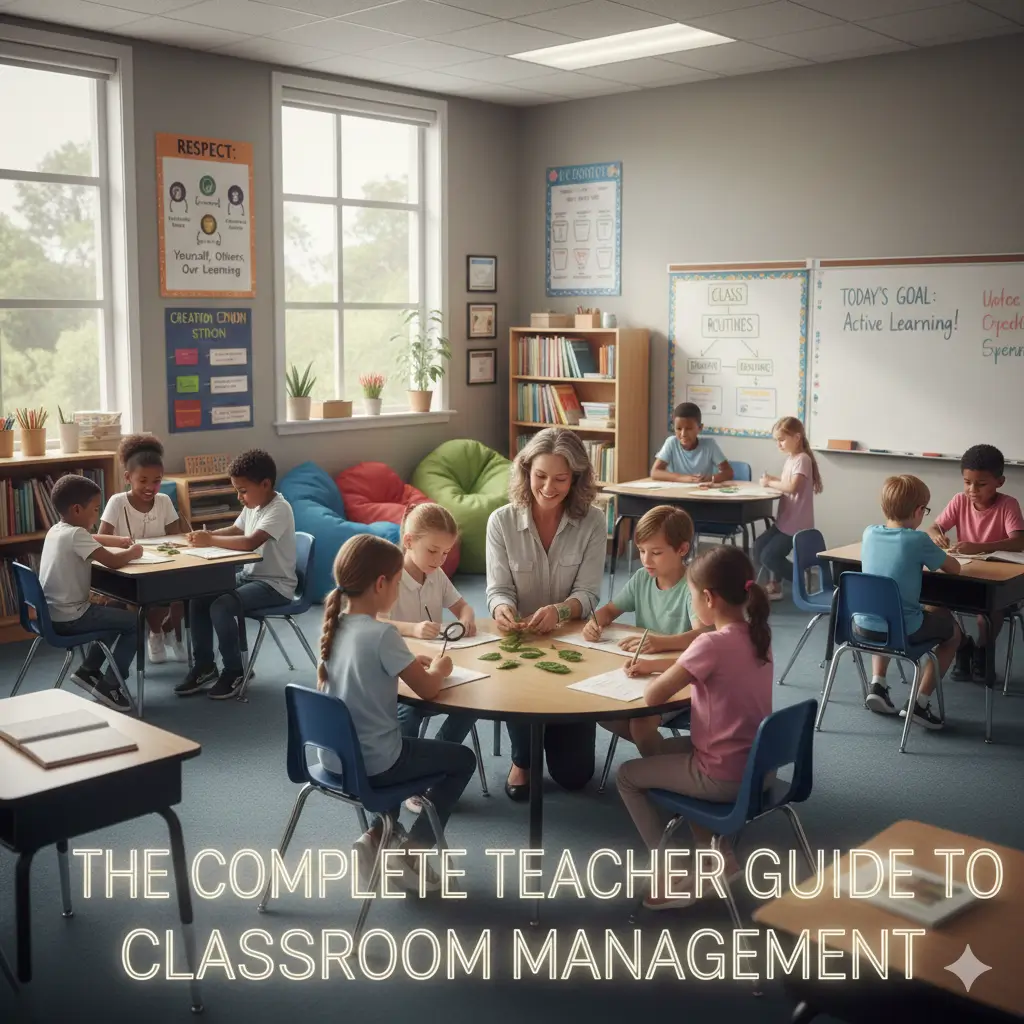
Effective classroom management creates an environment where students can learn and teachers can teach without constant disruption. This guide covers foundational principles, practical strategies, and responsive techniques for managing today’s diverse classrooms.
Understanding to Effective Classroom Management
Classroom management encompasses everything you do to organize students, space, time, and materials so learning can occur. It’s not simply about discipline or control, but rather about creating conditions that allow both teaching and learning to flourish. Research consistently shows that effective classroom management is one of the most significant factors influencing student achievement.
The most successful classroom managers are proactive rather than reactive. They establish clear systems, build positive relationships, and prevent problems before they occur. When issues do arise, they address them quickly and calmly, maintaining the flow of instruction while preserving student dignity.
Building the Foundation
Establishing Relationships
Strong teacher-student relationships form the foundation of effective classroom management. Students are more likely to cooperate, engage, and take academic risks when they feel known, valued, and respected. Take time to learn about your students’ interests, strengths, challenges, and lives outside school. Greet them at the door, use their names frequently, and show genuine interest in their wellbeing.
Building relationships doesn’t mean becoming students’ friend or avoiding high expectations. Instead, it means combining warmth with clear boundaries and consistent follow-through. Students need to know you care about them while also knowing you’ll hold them accountable.
Creating Clear Expectations
Students cannot meet expectations they don’t understand. Spend significant time at the beginning of the year establishing, teaching, and practicing your expectations for behavior and academic work. Focus on a small number of positively stated rules that cover most situations, such as “respect yourself, others, and our learning environment” or “be safe, responsible, and kind.”
For each expectation, define what it looks like in concrete terms across different settings and activities. What does respect look like during whole-class instruction versus group work versus independent reading? Model these behaviors explicitly, have students practice them, and provide specific feedback about whether they’re meeting expectations.
Designing Your Physical Space
Your classroom arrangement significantly impacts behavior and learning. Ensure you have clear sightlines to all students and can move easily throughout the room. Arrange seating to match your instructional goals, whether that’s rows for focused independent work, clusters for collaboration, or a U-shape for discussion. Create defined spaces for different activities and minimize distractions by reducing clutter and keeping high-traffic areas clear.
Consider where you’ll display student work, post learning objectives and schedules, and store materials for easy access. Everything should have a designated place, and students should know where to find what they need without asking. This reduces disruptions and builds student independence.
Proactive Strategies
Routines and Procedures
Well-established routines are the backbone of efficient classroom management. Identify all the recurring activities in your classroom, from entering the room and heading paper to getting materials and transitioning between activities, and then develop clear procedures for each. Teach these procedures explicitly through modeling, practice, and feedback until they become automatic.
Consistent routines reduce uncertainty and anxiety, minimize transition time, and free up cognitive resources for learning. They also reduce the need for constant teacher direction. When students know exactly what to do when they finish work early, need to sharpen a pencil, or want to ask a question, the classroom runs more smoothly.
Engaging Instruction
The most effective behavior management strategy is engaging instruction. When students are actively involved in meaningful learning, behavior problems decrease dramatically. Design lessons that capture student interest, provide appropriate challenge, incorporate variety, and offer opportunities for active participation. Use questioning techniques, think-pair-share, quick writes, manipulatives, movement, and other strategies to keep all students engaged rather than passive recipients of information.
Monitor engagement constantly by scanning the room and checking for understanding. When you notice students starting to disengage, adjust your instruction rather than simply redirecting behavior. Sometimes the behavior problem is actually an instructional problem in disguise.
Strategic Attention
What you pay attention to increases. When teachers focus primarily on misbehavior, they often inadvertently reinforce it through attention. Instead, make a conscious effort to catch students being good and provide specific, genuine praise for behavior that meets expectations. This positive reinforcement shapes behavior more effectively than constant correction and creates a more pleasant classroom climate.
Be strategic about your attention ratios. Research suggests teachers should provide at least four to five positive interactions for every corrective one. This doesn’t mean false praise or ignoring problems, but rather deliberately noticing and acknowledging the majority of students who are doing the right thing most of the time.
Transitions and Pacing
Transitions between activities are prime opportunities for disruption. Minimize transition time by preparing materials in advance, giving clear directions, and using consistent signals to get students’ attention. Set a timer or play music to keep transitions brief and focused. Have a clear procedure for what students should do when they arrive at the new activity so they don’t just sit and wait.
Pacing also matters significantly. Lessons that drag lose students’ attention, while those that rush create confusion and anxiety. Find the right balance by planning more content than you think you’ll need, building in checkpoints to assess understanding, and being willing to adjust based on student response.
Responsive Techniques
The Least Invasive Intervention
When addressing misbehavior, always start with the least invasive intervention that will be effective. This preserves instructional time, maintains student dignity, and avoids power struggles. Your first response might be simply moving closer to a student who’s off-task, making eye contact, or using a subtle hand signal. These nonverbal interventions often redirect behavior without interrupting the lesson.
If you need to speak to a student, do so quietly and privately when possible. A whispered reminder or brief one-on-one conversation is almost always more effective than a public correction, which can embarrass the student and make them defensive. Save your voice and your energy for when they’re truly needed.
Clear, Calm Consequences
When rules are broken, follow through with predetermined consequences consistently, quickly, and calmly. Anger, lectures, and negotiations undermine your authority and waste time. Instead, simply state what you observed, remind the student of the expectation, and implement the consequence without drama.
Your consequence system should be progressive, moving from minor interventions like reminders and loss of privileges to more significant ones like parent contact or administrative involvement only when needed. Ensure consequences are logically connected to the misbehavior when possible and always leave students with a path back to good standing.
De-escalation Skills
Some situations require active de-escalation to prevent them from spiraling. When a student becomes upset, agitated, or defiant, stay calm yourself and avoid matching their emotional intensity. Speak in a quiet, even tone and give the student space rather than crowding them. Acknowledge their feelings without necessarily agreeing with their perspective, and offer choices rather than ultimatums.
Sometimes the best response is strategic ignoring of secondary behaviors. If a student complies with your request but does so while muttering or rolling their eyes, let it go. Addressing every minor act of defiance can escalate conflicts unnecessarily. Choose your battles wisely and focus on the behavior that truly matters.
Restorative Approaches
When harm occurs, whether to people or to the learning community, restorative practices focus on repairing that harm rather than simply punishing the offender. This might involve conversations about the impact of actions, agreements about how to make things right, or problem-solving around underlying issues. Restorative approaches maintain relationships while still holding students accountable and often prove more effective at changing behavior long-term than traditional punitive measures.
Special Considerations
Differentiated Management
Just as you differentiate instruction, you may need to differentiate management approaches for individual students. Some students require modified expectations, additional support, or specialized interventions based on their developmental level, trauma history, disability, or other factors. This isn’t unfair to other students; it’s meeting individual needs appropriately.
Work with special education staff, counselors, and families to understand specific students’ triggers, strengths, and effective strategies. Implement accommodations consistently and monitor their effectiveness. Remember that what looks like willful misbehavior may actually reflect skill deficits in areas like emotional regulation, executive function, or social understanding.
Cultural Responsiveness
Classroom management must be culturally responsive, recognizing that behavioral expectations, communication styles, and responses to authority vary across cultures. What one culture considers respectful attentiveness might look like disrespect in another. Seek to understand your students’ cultural backgrounds and avoid interpreting their behavior solely through your own cultural lens.
Build trust with families and communities by communicating regularly and listening to their perspectives. Be willing to examine your own biases and how they might influence your management decisions. Look at your discipline data through a cultural lens and address any patterns of inequity in how consequences are applied.
Technology Integration
In classrooms that include technology, establish clear expectations around device use from the beginning. Teach digital citizenship explicitly and create procedures for distributing, using, and collecting devices. Monitor student screens strategically and have a plan for technical difficulties that minimizes disruption.
Consider both the benefits and challenges technology presents for classroom management. While devices can increase engagement and differentiation, they also create new opportunities for distraction and off-task behavior. Be intentional about when technology enhances learning and when traditional approaches work better.
Maintaining and Refining Your Approach
Effective classroom management requires ongoing reflection and adjustment. Regularly assess what’s working and what isn’t by reviewing your own observations, seeking student feedback, and analyzing data on academic engagement and behavioral incidents. Be willing to modify systems that aren’t serving your classroom well, even mid-year if necessary.
Continue learning by observing colleagues, reading current research, and trying new strategies. Join professional learning communities focused on classroom management and share both successes and challenges. Remember that even experienced teachers continually refine their practice as they work with new groups of students each year.
Take care of yourself as well. Classroom management is emotionally and physically demanding work. Establish boundaries, seek support when needed, and celebrate your successes. When you’re rested, balanced, and positive, you bring your best self to managing your classroom effectively.
Conclusion
Effective classroom management creates the conditions for excellent teaching and learning. It requires careful planning, consistent implementation, and responsive adjustment. While challenging at times, the investment you make in building systems, relationships, and skills pays dividends throughout the year in the form of a productive, positive classroom where all students can thrive. Start with the fundamentals, remain flexible and reflective, and never stop working to create the optimal learning environment for your students.

6 Responses